
Pagosa Springs Flood 2026: Cleanup & Recovery Guide
A plain, dated guide to the October and November 2026 San Juan River flooding: what happened, how to stay safe, where free help is, what assistance exists today, and how to start cleanup without making a claim, permit or health problem worse.
Get Free Cleanup QuotesIf you are under an evacuation order, leave now. This guide will still be here later. As of November 1, 2026, mandatory evacuations are in effect for low-lying areas along the San Juan, Rio Blanco, Navajo and Piedra rivers, and US 160 is closed to inbound traffic from 4 PM. Follow the Town of Pagosa Springs and Archuleta County for current orders, shelters and road status.
Pagosa Springs Water Damage Pros is an independent quote service. It is not affiliated with FEMA, Archuleta County, the Town of Pagosa Springs or any government agency, or with any company of a similar name. For official information, see the Town of Pagosa Springs and Archuleta County.
What happened: the 2026 San Juan River flooding, by date
- October 21 to 26, 2026: Pacific moisture and the remnants of Hurricane Trudy brought more than 6 inches of rain countywide (Pagosa Springs Sun, October 29, 2026).
- October 22, 2026: the Town issued an evacuation warning, then a mandatory evacuation of low-lying areas. The Town declared a local disaster emergency, and Gov. Polis declared a state disaster emergency, amended October 23 to cover 12 southern Colorado counties including Archuleta.
- October 23, 2026, about 5:30 to 5:45 AM: the San Juan River at Pagosa Springs crested at 15.02 ft, after rising about 9.5 ft in 34 hours (Colorado Sun, October 28; Pagosa Springs Sun, October 29). At that time it was the second-highest crest on record, behind 17.8 ft in 1911 (NWS). Flood stage is 10.5 ft.
- As of October 27, 2026: about 800 structures were impacted in Archuleta County, including about 540 homes (County Commissioner Warren Brown). No deaths or injuries were reported as of October 31.
- October 31, 2026: the Governor requested an expedited federal Major Disaster Declaration for FEMA Public Assistance and Hazard Mitigation only, for Archuleta and Rio Grande counties (about $27 million in public damage). Individual Assistance was not part of the request.
- November 1, 2026 (forecast, not an outcome): a second crest is forecast for Sunday night. The NWS Grand Junction flood warning issued at 9:30 AM MST forecasts 22.0 ft Sunday evening. Archuleta County's forecast, relayed by the Town and the Sheriff's Office, is about 19.71 ft around 11 PM. Either would be above the 1911 record of 17.8 ft. As of the afternoon of November 1, no observed crest had been reported. Check the NWS and the Town for the actual reading.
This follows the October 10 to 11, 2025 flood, when the river crested at about 12.8 ft.
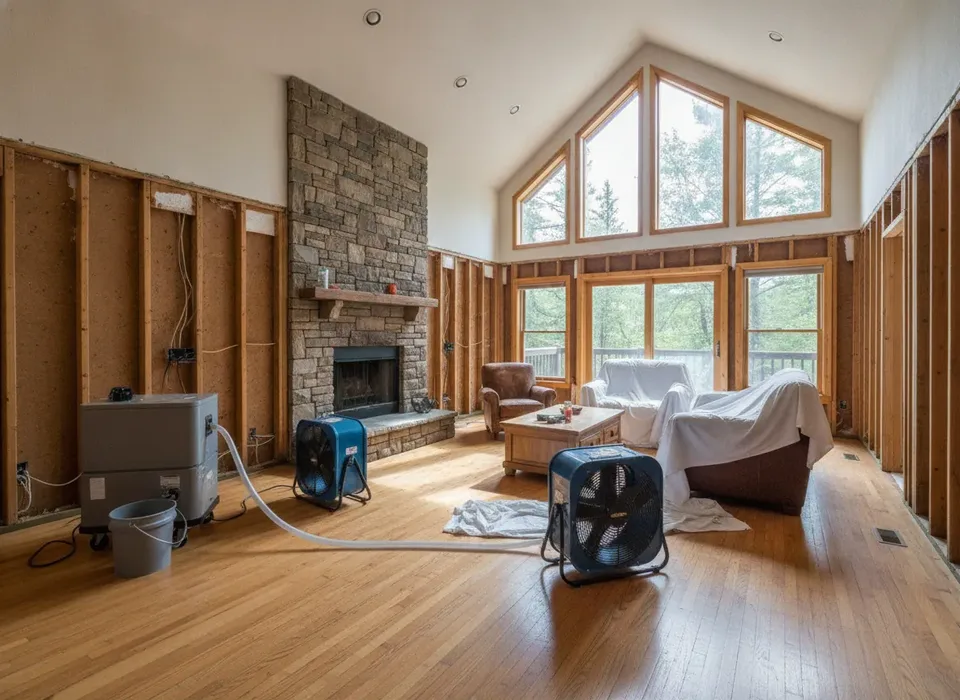
Safety before cleanup
- Stay out until officials say it is safe. Do not go into flooded buildings or drive through water on the road.
- Power: turn off electricity at the main only if you can reach it while standing somewhere dry. If not, leave it to the utility or an electrician.
- Protect yourself: floodwater can carry sewage. Wear boots and gloves, wash hands often, and see a doctor about any symptoms. ACPHD recommends a tetanus booster if your last one was 5 or more years ago.
- Photograph first: take photos and video of every room, the waterline and damaged items before anything is moved, as long as it is safe.
Free help first
Before paying anyone, check the free resources.
- Crisis Cleanup volunteer muck-out: 970-283-7325. Volunteers help with muck-out, debris removal, mold and cleanup where they can. The Town lists the line as open through November 6, 2026; check current status. Assistance is not guaranteed because demand is high,.
- 211 Colorado: call 211, text 898-211, or visit 211colorado.org for shelter, housing, food and financial help.
- Crisis Track damage reporting: Archuleta County asks residents to report damage and unmet needs in the Crisis Track Survivor Portal. The County says it is for damage and needs reporting only. It is not an application for financial assistance.
Debris drop-off rules (as of November 1, 2026)
| Site | What it takes | Who can use it |
|---|---|---|
| South Yamaguchi, 976 S. 5th St | Wood only, not mixed with other waste | Properties within Town limits |
| CSU Extension Office, 344 B Hwy 84 | Wood only; no other materials | Properties within Archuleta County |
| Archuleta County Landfill, 9179 CR 500 | Flood-damaged appliances, belongings, and drywall separated before arrival. Mon to Fri 8 AM to 3:30 PM, Sat 10 AM to 2 PM | Disposal fees are the responsibility of the individual |
No curbside debris pickup had been announced as of November 1, 2026. Drywall in older homes may contain asbestos in joint compound or tape, so read the asbestos section below before tearing it out.
When you are ready: free quotes from independent companies
If volunteer help is not available or the job is beyond what volunteers do, describe the damage once and independent restoration companies serving Pagosa Springs and Archuleta County can reply with no-obligation quotes. Many companies offer free estimates.
Helpful details: river, creek or sewer water; which rooms and whether the crawl space is wet; when it happened; well or septic; and whether it is a second home.
Pagosa Springs Water Damage Pros is a free quote service, not a restoration company or contractor. You choose who to hire, or no one. Prefer to talk? Call (970) 408-5771
FEMA, SBA and other assistance: what exists as of November 1, 2026
| Program | Status as of November 1, 2026 |
|---|---|
| Local disaster emergencies | Declared by the Town (October 22) and Archuleta County (extended October 27) |
| State disaster emergency | Declared October 22, amended October 23 to 12 counties including Archuleta |
| Federal Major Disaster Declaration | Requested October 31 for Public Assistance and Hazard Mitigation only (Archuleta and Rio Grande counties). Not granted as of November 1. |
| FEMA Individual Assistance (help for homeowners and renters) | Has not been approved (Town of Pagosa Springs). It was not included in the October 31 request. |
| SBA disaster loans for flood damage | No 2026 flood SBA declaration found as of November 1 |
Do not count on federal money for home repairs right now. The federal request for the October 2025 flood was denied (December 2025; appeal denied April 2026). FEMA does not charge fees, and no legitimate program asks you to pay to apply. Keep your photos, receipts and repair estimates either way.
Insurance and NFIP flood claims
- Homeowners policies generally exclude flood. The Colorado Division of Insurance says most property policies do not cover flooding. River flood damage is usually covered only by an NFIP or private flood policy.
- Call your insurer now, even if you are unsure about coverage, and ask for the claim number in writing. A Colorado insurer must provide a copy of your policy, including declarations and endorsements, within 3 business days of your request (C.R.S. 10-4-110.8).
- NFIP proof of loss: NFIP policyholders generally must submit a signed proof of loss within 60 days of the loss unless FEMA extends the deadline. Start at floodsmart.gov.
- Document everything (no one can promise coverage before the insurer reviews it): photos, video, a room-by-room contents list, receipts, and moisture readings from the drying company. Our claim documentation page explains what to collect.
Permits before rebuilding in the floodplain
Archuleta County says that before any work is done within the floodway or floodplain, a Floodplain Development Permit must be obtained from the County Planning Department. Inside Town limits, contact the Town of Pagosa Springs Building Division. Streambank or river work may also need US Army Corps of Engineers authorization.
Before you rebuild, ask the Town Building Division or County Planning whether a substantial damage determination applies to your house. The Town requires general contractors and all their subcontractors to hold a current Town business license for permitted work inside Town limits.
Wells and septic systems
Much of the county outside Town relies on private wells and septic systems, and septic tanks flooded along CR 500, CR 339 and CO 151 in October 2026 (Colorado Sun, October 27). ACPHD guidance as of October 27, 2026:
- Turn off power to the well before any inspection, and do not turn the pump back on until it has been inspected, because of shock risk.
- If the wellhead or cistern was underwater or near floodwater, it will likely need disinfection and testing. Use bottled or other safe water for drinking, cooking and bathing until a test shows the water is safe. CDPHE also recommends testing a well after a flood.
- Let the septic system dry and limit use. Do not pump the tank until groundwater drops. If it looks compromised, call a professional with an Archuleta County OWTS installer license.
More detail is on our sewage and septic backup page.
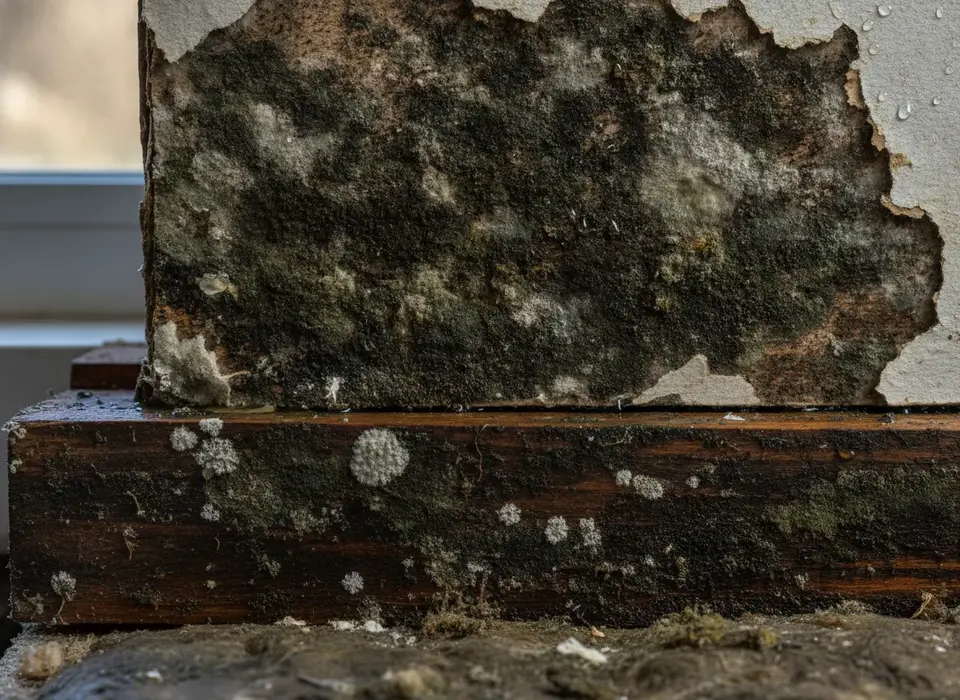
Mold timing: why drying matters
The EPA says that if wet materials are dried within 24 to 48 hours, in most cases mold will not grow. After a disaster, the EPA advises assuming you have mold if you could not dry your home within 24 to 48 hours. Many homes here stayed wet longer than that, so plan for a mold check.
Wet drywall, insulation and subfloor usually need professional moisture readings to know what can be dried and what must go. See structural drying and mold after flooding.
Ask about asbestos and lead before tear-out
The Town and County both warn that drywall in older homes may contain asbestos in joint compound or tape. Colorado's Regulation 8 applies asbestos rules to single-family homes, and inspection is generally required before disturbing more than small amounts (32 sq ft on most surfaces or 50 linear ft on pipes). A single flooded room's drywall can exceed that. Ask any company whether it will test before tear-out. In homes built before 1978, also ask whether the crew is EPA Lead-Safe certified.
Hiring a cleanup company after the flood
Colorado has no state license for water damage restoration, mold remediation or general contracting. Plumbers and electricians are state-licensed. Before you sign, check:
- A Town of Pagosa Springs business license, if the work is inside Town limits (unincorporated Archuleta County has no business license).
- A current certificate of insurance.
- A state plumbing or electrical license for that part of the work.
- A written, itemized estimate before work begins, and clear deposit terms.
- IICRC training, as an optional extra.
The Town's red flags: upfront fees, demands for immediate payment, refusing to show credentials, and requests for personal or financial information. Colorado's price-gouging law (C.R.S. 6-1-730) covers repair and cleanup services during the declared disaster period. Report concerns to the Colorado Attorney General or local law enforcement. For typical national price ranges, see the water damage cost guide. See also the process and flood cleanup.
Pagosa Springs flood questions
Did the San Juan River crest again on November 1, 2026?
As of the afternoon of November 1, 2026, a second crest was forecast but had not yet been reported. NWS Grand Junction forecast 22.0 ft Sunday evening (9:30 AM MST warning), and Archuleta County forecast about 19.71 ft around 11 PM. Check the Town of Pagosa Springs, Archuleta County and the NWS for the observed crest.
Is FEMA money available to Pagosa Springs homeowners after the 2026 flood?
Not as of November 1, 2026. The Town says FEMA Individual Assistance has not been approved. The state's October 31 request covers FEMA Public Assistance and Hazard Mitigation for Archuleta and Rio Grande counties, not aid for individuals or private property. Report damage in the County's Crisis Track portal and watch official channels.
Does homeowners insurance cover flood damage in Colorado?
Generally no. The Colorado Division of Insurance says most property policies do not cover flooding. Flood damage is usually covered only by a National Flood Insurance Program (NFIP) policy or a private flood policy. Ask your insurer in writing; a Colorado insurer must send a copy of your policy within 3 business days of your request.
Can I get free help mucking out my flooded home?
Possibly. Crisis Cleanup volunteers help with muck-out, debris and mold where they can. Call 970-283-7325; the Town lists the line as open through November 6, 2026, so check current status. Help is not guaranteed because demand is high. For shelter, food and housing help, call 211.
Do I need a permit before repairing a flooded house in Archuleta County?
If the property is in the floodway or floodplain, yes. Archuleta County requires a Floodplain Development Permit from its Planning Department before any work there. Inside Town limits, contact the Town Building Division. Ask either office whether a substantial damage review applies before you rebuild.
Should I pump my septic tank after the flood?
Not yet. The Archuleta County Public Health Department (ACPHD) says to let the system dry, limit use and not pump the tank until groundwater drops. If the system looks damaged, call a professional who holds an Archuleta County OWTS installer license.
More answers are on the FAQ page.
Flood or water damage? Get free quotes.
Tell us what happened and independent restoration companies serving Pagosa Springs and Archuleta County can reply with no-obligation quotes.
Pagosa Springs Water Damage Pros is an independent quote service. It is not affiliated with FEMA, Archuleta County, the Town of Pagosa Springs or any government agency, or with any company of a similar name.