
Well and Septic After Flooding in Pagosa Springs
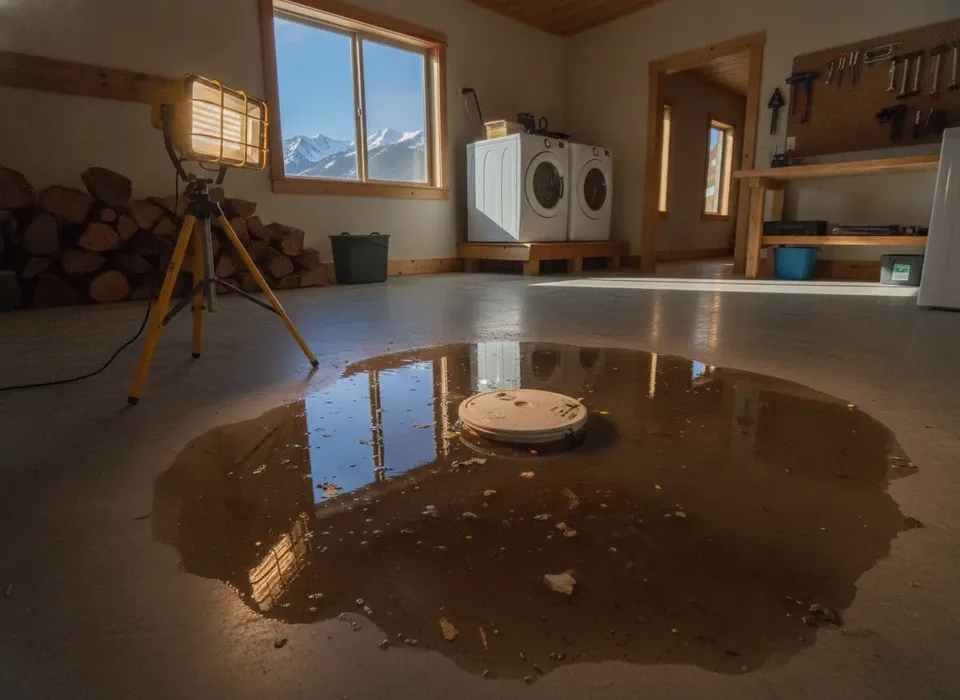
Much of Archuleta County outside Town limits runs on private wells and septic systems. When floodwater covers a wellhead or saturates a drain field, the risks go beyond a wet floor: drinking water can be contaminated, and a septic tank can back sewage into the house. This guide pulls together what the Archuleta County Public Health Department (ACPHD) and the Colorado Department of Public Health and Environment (CDPHE) say, in plain steps. It is general information, not medical or engineering advice.
As of November 1, 2026
The San Juan River crested at 15.02 ft on October 23, 2026, and a second crest was forecast for the night of November 1, 2026. The Colorado Sun reported flooded septic tanks along CR 500, CR 339 and CO 151 after the October crest. If you are under an evacuation order, leave now. Come back to your well and septic only when officials say it is safe.
Is my well water safe after the flood?
Assume it is not until it has been checked. ACPHD's flood guidance (Pagosa Springs Sun, October 27, 2026) says a well will likely need testing and disinfection if the wellhead, cistern or well entry was underwater or near floodwater. Until then, use bottled or other safe water for drinking, cooking, brushing teeth and bathing.
Flooded well: step by step
Turn off power to the well
ACPHD says to turn off power to your well before any inspection. Do it only if you can reach the breaker without standing in water.
Don't turn the pump back on
Leave the pump off until the well and its electrical parts have been inspected. A flooded pump or control box can be a shock risk. Use a state-licensed electrician for electrical repairs.
Have it inspected
A well contractor can check the casing, cap and wiring, and look for silt or debris in the well.
Disinfect the well
Flooded wells are usually shock-chlorinated, then flushed. CDPHE publishes general steps, but follow ACPHD's current instructions or your well contractor's directions, since the right dose depends on your well.
Test before drinking
CDPHE recommends testing well water after a natural disaster such as a flood. Wait the time your contractor or ACPHD gives before sampling, then test for bacteria. Keep using other water until results are clear.
Where to get well water tested
CDPHE's state lab offers total coliform and E. coli testing for private wells. As of its most recent notice it had temporarily suspended chemistry testing, so check current services before you send a sample. ACPHD (publichealth.archuletacounty.gov) can tell you about local options. CDPHE also suggests annual testing for coliform bacteria, nitrate, total dissolved solids and pH, so a flood is a good time to start a routine.
| Situation | What officials advise | Source |
|---|---|---|
| Wellhead or cistern was underwater | Inspect, disinfect and test before use | ACPHD, Oct 27, 2026 |
| Before inspecting the well | Turn off power to the well | ACPHD |
| Pump after flooding | Don't turn it on until inspected | ACPHD |
| Septic tank after flooding | Let it dry, limit use, don't pump until groundwater drops | ACPHD |
| Testing after a disaster | Test well water after a flood | CDPHE |
| Food from a flooded fridge or freezer | Throw it out | ACPHD |
Should I pump my septic tank after the flood?
Not yet. ACPHD's advice is to let the system dry, limit use and not pump the tank until groundwater drops. That can feel backward when the house smells, but there is a reason. When the soil around a tank is saturated, an empty tank can shift or float out of the ground, and pumping does little while groundwater keeps pushing back in. Once the ground has drained, have the system checked.
Until then:
- Use as little water as you can: short showers, full laundry loads spread out, no garbage disposal.
- Don't drive or park over the tank or drain field.
- Watch for sewage odors, slow drains or wet spots over the field, and note them for the inspector.
- Keep children and pets away from wet areas over the drain field.
Who can repair a septic system in Archuleta County?
Archuleta County requires an onsite wastewater treatment system (OWTS) installer license to excavate, install, repair or abandon a septic system. Ask any company for its county OWTS license before it digs. Restoration companies may handle the cleanup inside the house, but repair of the tank or field is OWTS work.
On Town sewer instead of septic?
If you are connected to the Pagosa Springs Sanitation General Improvement District (PSSGID), follow its advisories. On October 31, 2026, the district said service may be reduced or unavailable and gave steps for residents. The Town reported in October 2026 that sewer lift stations were overwhelmed during the first crest. Watch for open manholes, and follow the district's current instructions about clean-outs and toilets.
If sewage backed up into the house
Floodwater mixed with sewage is the dirtiest category of water. The EPA and CDC advise rubber boots, waterproof gloves and keeping children and pets out. Porous items soaked in sewage, such as carpet, pad and upholstered furniture, are usually discarded. Hard surfaces get cleaned and disinfected. ACPHD suggests a tetanus booster if your last one was more than 5 years ago, and see a doctor about any symptoms. The sewage and septic backup cleanup page explains what companies typically do, and the crawl space and basement water page covers water under the house.
National published ranges put sewage cleanup at about $7 to $15+ per sq ft (HomeGuide) and wet crawl space work at $1,500 to $5,000 (HomeGuide). These exclude well and septic repair. The water damage cost guide has the full table.
Second homes and absentee owners
About a third of Archuleta County homes (32.6%, per the American Community Survey) are seasonal or second homes. If you are away, ask a neighbor or property manager to check for water in the house, but not to turn on a flooded well pump. Once winter sets in, a well system that was shut off and partly drained can still freeze. Plan the restart with a well contractor.
Free help and next steps
Crisis Cleanup volunteers help with muck-out, debris and mold at 970-283-7325, through November 6, 2026 per the Town; check current status. Help is not guaranteed because of demand. 211 Colorado (call 211 or visit 211colorado.org) can help with safe water, shelter and other needs. Report damage to the County through Crisis Track. The Pagosa Springs flood 2026 recovery guide lists all dated resources.
When you are ready for cleanup quotes inside the house, the free quote form lets you describe the damage once, including your well and septic situation, so independent local companies can reply. Pagosa Springs Water Damage Pros is a free quote service, not a contractor, and not affiliated with ACPHD, the County or any government agency.
Frequently asked questions
Is my well water safe to drink after the flood?
Not until it has been checked. ACPHD says a well will likely need testing and disinfection if the wellhead, cistern or well entry was underwater or near floodwater. Use other safe water until test results are clear.
Should I turn my well pump back on?
No. ACPHD says to turn off power to the well before inspection and not to turn on the pump until it has been inspected, because of shock risk.
When should I pump my septic tank after flooding?
Not until groundwater drops, according to ACPHD. Let the system dry, limit water use and have a professional check it if it seems compromised. Septic repairs in Archuleta County need a county OWTS installer license.
Where can I test my well water in Colorado?
CDPHE's state lab offers coliform and E. coli testing for private wells; check current services, as chemistry testing was temporarily suspended. ACPHD can point you to local options.